
Afghanistan Week 2026
Beyond the Stalemate – Exploring Options
Five years after the Taliban’s return to power, Afghanistan is governed through an increasingly consolidated system of totalitarian control under the Islamic Emirate. While there is heightened tension with Pakistan, and no signs of further international recognition, most other regional actors are engaging pragmatically with the Taliban. Amongst Western governments the overall trends are towards increasing de-facto normalisation, driven in parts by migration control. Whereas some call for a more principled approach, others suggest that isolation has done little to change the Taliban’s policies on education and other fundamental human rights. Humanitarian needs remain immense – exacerbated by natural disasters and the impact of climate change. And, at the same time as international funding is shrinking, millions of Afghans forcibly returned from neighbouring countries, placing additional pressure on already strained communities and public services.
Against this backdrop, a young generation – that constitute a majority of the Afghan population – faces unprecedented restrictions, limited opportunities, and increasing uncertainty about the future. Together, these developments do not only raise fundamental questions about Afghanistan’s trajectory, but also the effectiveness and sustainability of current approaches to development and in securing an increased respect for humanitarian dignity and rights.
Afghanistan is approaching a turning point, one that demands fresh analysis, honest reflections, and renewed discussions and dialogue.
At the heart of Afghanistan Week 2026 lies a simple but urgent question: If current approaches are not delivering the desired outcomes, what should we do differently?
The programme will address a range of critical issues, including:
By bringing together different perspectives and encouraging open and critical discussion, the Afghanistan Week seeks not only to understand the current situation but also to contribute to a more informed and forward-looking conversation around Afghanistan’s future.
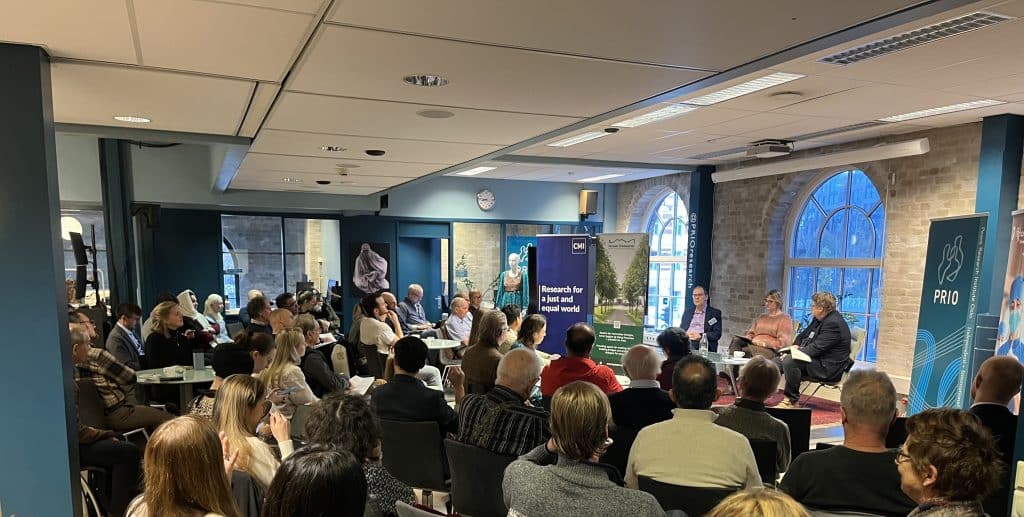
Afghanistan Week was first initiated in 2014, and is a bi-annual event where politicians, journalists, academics, and activists from Afghanistan, Norway, and beyond come together to address key issues facing the country. It aims to provide a safe space to share knowledge, experiences, hopes, and concerns. Debate, active listening, and asking questions are at the core of the concept. Most importantly, it aims to constitute a platform for voices from inside Afghanistan to be heard.
From the start in 2014 Afghanistan Week has been arranged jointly by the Norwegian Afghanistan Committee (NAC), the Peace Research Institute in Oslo (PRIO), the Chr. Michelsen Institute (CMI) and the Nansen Center for Peace and Dialogue.
The 2024 Afghanistan Week took stock of the last three years, examining the evolution of Taliban rule, the international engagement with the regime, and the adaptation of Afghans to the new state of affairs: Consolidation or Muddling Through? What is the status of the Taliban’s ruling apparatus, what internal divisions exist, and how are those being managed? What are the costs and benefits of the various strategies of engagement or non engagement? What is driving the variety of positions taken by different actors, and what are the lessons learnt? What do strategies for change and survival look like inside the country?
Read the 2024 conference report here:
ReportAfghanistan Week 2026 will consist of at least 10 events during 26th-29th October.
Founded in 1980, NAC is a members-based solidarity organisation with activities in Norway and Afghanistan and an elected Board and Secretariat based in Norway. The purpose of the organisation is to work together with the Afghan people to contribute to the development of a peaceful Afghanistan where communities overcome poverty and aid dependency and where people live in an inclusive and equitable society; promote knowledge about Afghanistan in Norway; and promote friendship between the Norwegian and Afghan people.
CMI is an independent development research institute in Norway. With a staff of 100 people, they address issues that shape global developments and generate knowledge that can be used to fight poverty, advance human rights, and promote sustainable social development. Read more here.
Nansen Center for Peace and Dialogue promotes peace, human rights, dialogue and reconciliation through trainings and workshops, presentations, and documentation. Their approach, methodologies and networks have been developed through practical dialogue and peace work in Norway and internationally. Read more here.
The Afghanistan Week planning committee has the overall responsibility for the coherence of the program and its academic/professional content. The Afghanistan Week planning committee consist of:
Arne Strand has a PhD in Post-war Recovery Studies through which he studied coordination of humanitarian assistance in complex emergencies. His research focuses on aid coordination, forced migration and reintegration, peace building and security sector reform and humanitarian and development assistance. Strand has been team leader of several evaluations and research programmes in and on Afghanistan. He has extensive management experience from NGOs and research institutes, and has also been involved in developing management and professional capacities of Afghan NGOs and peacebuilding organisations.
Liv Kjølseth is a Political Scientist, with a postgraduate degree from the University of Oslo, with a specialisation in International Relations. For the last decade she has held the position of Secretary General of the Norwegian Afghanistan Committee (NAC). Prior to joining NAC, she was Information and Advocacy Adviser for the Norwegian Council for the Rights of the Kurdish People. She has previously worked for the Norwegian Directorate for Immigration (UDI).
Norunn Grande is a special advisor at the Nansen Center for Peace and Dialogue (NCPD), developing and providing training courses in conflict transformation and dialogue facilitation. She is a political scientist, a mediator for the Norwegian Mediation and Reconciliation Service and a deputy member of the Norwegian Afghanistan Committee’s (NAC) board.
Torunn Wimpelmann is a Senior Researcher at Chr. Michelsen Institute (CMI) where she is currently the Co-director of the research project New Afghan Men, which explores the changing notions of marriage and masculinity in Afghanistan. She is the author of, The Pitfalls of Protection: Gender, Violence and Power in Afghanistan (University of California Press, 2017).
From the start in 2014 Afghanistan Week has been arranged jointly by the Norwegian Afghanistan Committee (NAC), the Peace Research Institute in Oslo (PRIO), the Chr. Michelsen Institute (CMI), and the Nansen Center for Peace and Dialogue.
Depending on the main topics for the week, organisations, institutions, and relevant actors are invited to co-share events.
CMI – Martti Ahtisaari Peace Foundation is an independent non-profit Finnish organisation that works to prevent and resolve conflicts through dialogue and mediation. Founded by Nobel Peace Laureate and former President of Finland Martti Ahtisaari in 2000, CMI – Martti Ahtisaari Peace Foundation have since grown to be a leader in the field of international peacemaking. Read more here.
The Norwegian Human Rights Fund (NHRF) works to protect and promote human rights internationally through direct support to organisations working in the first line of defence for human rights. The NHRF aims to be a flexible, courageous and global actor that provides direct support to local organisations working for the rights of vulnerable and marginalised individuals and groups. Read more here.
The Norwegian Agency for Development Cooperation (Norad) is an administrative and specialist body for development cooperation and supports the Ministry of Foreign Affairs and the Ministry of Climate and the Environment in achieving the goals of Norwegian development policy and promoting sustainable development. The UN’s sustainability goals, climate goals and human rights form the basis of Norad’s work. Read more here.
The Norwegian Institute of International Affairs (NUPI) is an independent research institute studying global power relations, security policy, development issues, international economics and other matters of relevance to Norwegian foreign policy. NUPI’s mission is to build greater insight into international relations and affairs between peoples and nations. Read more here.
Founded in 1959, the Peace Research Institute Oslo (PRIO) is an independent research institution known for its effective synergy of basic and policy-relevant research. In addition to such research, PRIO conducts graduate training and is engaged in the promotion of peace through conflict resolution, dialogue and reconciliation, public information and policymaking activities. Read more here.
The Raoul Wallenberg Institute of Human Rights and Humanitarian Law (RWI) is an independent academic institution established at Lund University in Sweden in 1984. They combine multi-disciplinary human rights research with education, support, and outreach to contribute to a wider understanding of, and respect for, human rights and international humanitarian law. Read more here.
The Norwegian Students’ and Academics’ International Assistance Fund (SAIH) is a solidarity organization, by and for students and academics. SAIH have worked for over 60 years to promote higher education and academic freedom as a human right. Read more here.
Stockholm International Peace Research Institute (SIPRI) is an independent international institute dedicated to research into conflict, armaments, arms control and disarmament. Established in 1966, SIPRI provides data, analysis and recommendations, based on open sources. Read more here.
Flight
The nearest airport is Oslo Airport Gardermoen (OSL), located just over 40 km north of Oslo. From here, trains run directly to Oslo S (Oslo Central Station):
Some airlines fly to Sandefjord Airport Torp, which is about 1 hr 45 min south of Oslo by train and bus. Check which airport your ticket is for.
Getting around Oslo
All the events are within walking distance of Oslo S, or just a few minutes away by metro, tram, or bus. If you’re using public transport, you can buy tickets in the Ruter app.
Where is it happening?
Afghanistanuka 2026 will be held at several venues in central Oslo. All the venues are centrally located and within short walking distance of each other.
| Venue | Address | Map |
|---|---|---|
| Henry Dunant Hall | Hausmanns gate 5, Oslo | Open in Google Maps |
| Kulturhuset | Youngs gate 6, Oslo | Open in Google Maps |
| Nupi | Rosenkrantz’ gate 22, Oslo | Open in Google Maps |
| Norad | Bygdøy allé 2, Oslo | Open in Google Maps |
The full program with time and location for each individual event will be published well in advance of the start of Afghanistanuka.
We don’t have a dedicated hotel agreement, but here are some options that are centrally located and close to the event venues.
Prices in Oslo vary a lot throughout the year, so we recommend booking early.
Erika Amlie Amundsen
erika.amundsen@nacaf.org
+47 909 14 069
Nasrin Naimy
nasrin.naimy@nacaf.org
+47 484 68 313
We’ll be sending out practical information about the program, registration, and events ahead of Afghanistanuka 2026. Leave your email address and we’ll keep you informed.
We only send information about Afghanistanuka. You can unsubscribe at any time.
From armed conflict to climate risk
11:30-1:00 PM
Contributing partner: Nowegian Institute of International Affairs (Nupi)
Place: Nupi, Rosenkrantz’ gate 22, Oslo
More information coming soon.
The Myth of Neutrality: Afghanistan’s Cultural Industries Under Occupation
6:00-7:00 PM
Place: More information coming soon
More information coming soon.
25 years in Afghanistan
7:30-9:00 PM
Place: More information coming soon
More information coming soon.
Afghanistan Today
8:30-10:00 AM
Place: Henry Dunant Hall, Hausmanns gate 5, Oslo
Light breakfast served from 8:00 AM. More information coming soon.
China’s involvement and influence in Afghanistan
10:30-11:30 AM
Contributing partner: Chr. Michelsens Institutt (CMI), Peace Research Institute Oslo (PRIO)
Place: Henry Dunant-salen, Hausmanns gate 5, Oslo
More information coming soon.
Mobilisation and Women’s Access to Justice in Afghanistan
2:00-3:30 PM
Contributing partner: Norwegian Human Rights Fund (NHRF), Raoul Wallenberg Institute (RWI)
Place: Henry Dunant-salen, Hausmanns gate 5, Oslo
More information coming soon.
Opening event
6:00-7:30 PM
Place: Henry Dunant Hall, Hausmanns gate 5, Oslo
More information coming soon.
Building horizons for Afghanistan – A Youth, Peace and Security session
8:30-10:00 AM
Contributing partner: CMI – Martti Ahtisaari Peace Foundation
Place: Kulturhuset, Youngs gate 6, Oslo
Light breakfast served from 8:00 AM. More information coming soon.
Higher education crisis
2:00-3:30 PM
Contributing partner: The Norwegian Students’ and Academics’ International Assistance Fund (SAIH)
Place: Kulturhuset, Youngs gate 6, Oslo
More information coming soon.
Dialog om pengeoverføringer
5:00-7:00 PM
Contributing partner: Nansen Center for Peace and Dialogue
Place: Kulturhuset, Youngs gate 6, Oslo
More information coming soon.
Despite restrictions: How Afghan Women Sustain, Resist and Build Peace in Afghanistan
8:30-9:30 AM
Contributing partner: The Norwegian Agency for Development Cooperation (Norad)
Place: Norad, Bygdøy allé 2, Oslo
Light breakfast served from 8:00 AM. More information coming soon.
As panellists for the various seminars are confirmed, their bios will be added to this page.
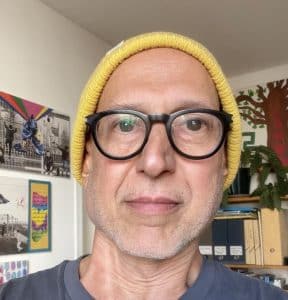
Amanullah Mojadidi is a conceptual artist, writer, and researcher. He has exhibited internationally including at the LindenMuseum-Stuttgart, Imperial War Museum-London, Times Square-NYC, 3rd Dhaka Art Summit, 12th Havana Biennale, 3rd Asia Triennial Manchester, 1st Kochi/Muziris Biennale, and dOCUMENTA (13). His publications include The Exhibition in The Routledge Handbook of Contemporary Art in Global Asia (2023), The Art of Conflict Chic: Imagined Geographies & the Search for a Post-Orientalist Identity in Conflict & Compassion: A Paradox of Difference in Contemporary Asian Art (2016), Home and What Can One Say About Living in Kabul? in One Story, Thirty Stories: An Anthology of Contemporary Afghan-American Literature (2010), and Humanitarians with Guns: Globalized Rights, Cultural Space, & Militarized Aid in Afghanistan in Challenges and Paths to Global Justice (2007). In 2012, he was selected as a TED Fellow for the subversively critical nature of his artistic practice while living in Kabul and is currently pursuing a PhD in Anthropology exploring how Afghan contemporary artistic practice is inextricably tied to experiences with invasion, occupation, and NGOisation.

Arne Strand has a PhD in Post-war Recovery Studies where he studied coordination of humanitarian assistance in complex emergencies. His research focuses on aid coordination, forced migration and reintegration, peace-building and security sector reform and humanitarian and development assistance. Strand has been team leader of several evaluations and research programmes in and on Afghanistan. He has extensive management experience from NGOs and research institutes, and has also been involved in developing management and professional capacities of Afghan NGOs and peacebuilding organisations.
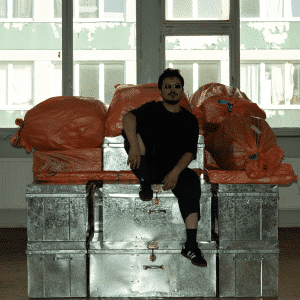
Aziz Hazara lives and works in Berlin. Hazara is an interdisciplinary artist working across various mediums, including photography, video, sound, and multimedia installations. His work explores themes of surveillance, material culture, and supply chains within the context of power relations, geopolitics, and the panopticon. His work has been featured in numerous group exhibitions, including To Carry at the 16th Sharjah Biennial, Sharjah, UAE (2025); the 18th Biennale de l’Image en Mouvement: A Cosmic Movie Camera at the Centre d’Art Contemporain, Geneva (2024); Is It Morning for You Yet? at the 58th Carnegie International, Pittsburgh (2022); Penumbra, Venice (2022); the Busan Biennale (2020); and NIRIN at the 22nd Biennale of Sydney (2020). His works are held in the public collections of institutions such as Tate Modern, London; SMAK, Ghent; Guggenheim Abu Dhabi; KNMA, New Delhi; the Sharjah Art Foundation; and the Carnegie Museum of Art, Pittsburgh.
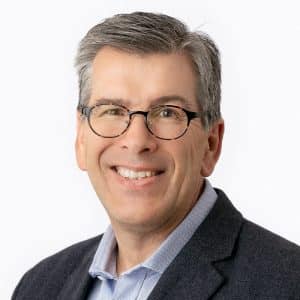
Cedric de Coning is a Research Professor in the Research Group on Peace, Conflict and Development at the Norwegian Institute of International Affairs (NUPI). His research focuses on how the United Nations and other multilateral institutions can more effectively sustain peace and security, with particular attention to mediation, peace operations and peacebuilding. At NUPI he leads several international research projects on climate, peace and security, on artificial intelligence in peace and security, and on the effectiveness of peace operations. He also contributes to the Training for Peace programme and the UN Peace and Stabilisation Operations project. He is a senior advisor to ACCORD and Editor-in-Chief of the African Journal on Conflict Resolution. As former South African diplomat and UN peacekeeper, he has served in various advisory roles with the African Union and the United Nations, including on the Secretary-General’s Advisory Board for the UN Peacebuilding Fund.
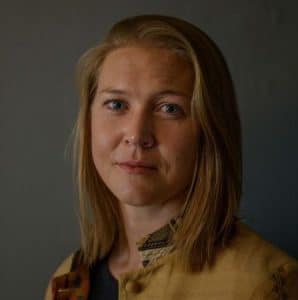
Ms. Charity Watson is the Climate, Peace and Security Advisor for the UN Assistance Mission in Afghanistan. She has worked in Afghanistan for over ten years across politico-security, humanitarian, and environmental issues and before that in East Africa and the Middle East. Her current work focuses on the intersection between climate change, peace and security, fostering dialogue and engagement with Afghan stakeholders on climate and water issues, including the Taliban de facto authorities, supporting regional transboundary water cooperation, and addressing climate security risks and peacebuilding opportunities within Afghanistan. Ms. Watson graduated summa cum laude in International Affairs from the University of Colorado and has a Master’s in Environmental Governance and Policymaking from the Graduate Institute in Geneva.
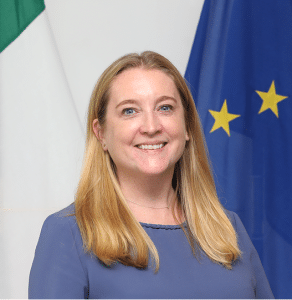
Claire Buckley is the Ambassador of Ireland to Norway as well as to Iceland on a non-resident basis. She has served as ambassador since 2023. She was previously the Irish ambassador to Sierra Leone and to Liberia, and Guinea. She has held several prominent roles within the Department of Foreign Affairs in Dublin, including Personnel Officer, Deputy Director of the Irish Abroad Unit, and Assistant Chief of Protocol. She holds a Postgraduate Diploma in Legal Studies from Technological University Dublin.
Farzana Kochai is a development and humanitarian professional with over 8 years of experience in policy, advocacy, and stakeholder engagement — and a former member of Afghanistan’s National Assembly (Wolesi Jirga), where she was elected at age 26 as one of the youngest parliamentarians at the time. In parliament, she led gender-responsive legislative reform, chaired oversight committees, and mobilised resources for women-led and minority initiatives. She represented the Kochi people — a nomadic minority often excluded from formal politics — and fought to ensure their voices shaped national policy. Since relocating to Norway in 2021, she has completed a Master’s in Global Development Studies at NMBU (2025), interned with the Norwegian Refugee Council’s Global Corporate Relations team, volunteered on humanitarian and developmental issues with local organisations, and continued her advocacy for Afghan women and girls through international media and civil society platforms.

Francesca Recchia is an independent researcher, educator and writer. She is interested in the geopolitical dimension of heritage and cultural processes in countries in conflict and she focuses on creative practices in contexts of unequal structures of power. Her work is rooted in decoloniality and radical pedagogy. Over the last two decades, Francesca has worked in different capacities in Palestine, Pakistan, India, Kashmir, Iraq, Syria, Yemen and Afghanistan. She was for many years the Acting Director of the Afghan Institute for Arts and Architecture and now is the Head of Advocacy and Communications at the Norwegian Afghanistan Committee.
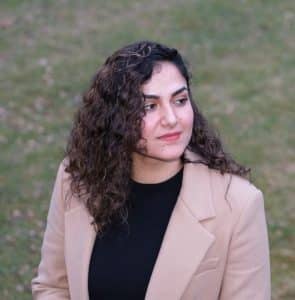
Hasina Shirzad is an Afghan journalist, researcher and human rights advocate based in Norway. She holds a master’s degree in Journalism from Oslo Metropolitan University and has a background in journalism, research and civil society engagement. Her interests include human rights, freedom of expression, women’s rights and the protection of human rights defenders. She has written and contributed to discussions on human rights and media freedom and has experience moderating public discussions and events.
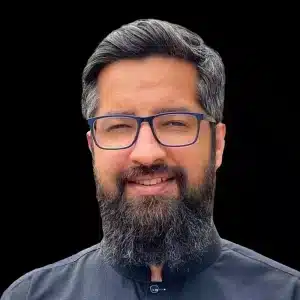
Ibraheem Bahiss is based in Kabul and draws on over 12 years’ experience studying Afghanistan. He currently works as a Senior Analyst on Afghanistan for the International Crisis Group (ICG), an international organisation providing analysis and advice on preventing, managing and mitigating conflicts across the globe. Since 2013, he has spent extensive time in Afghanistan and since April 2022, he has led ICG’s country office managing its local researchers. He has a Bachelor of Arts (Political Science), a Bachelor of Laws, and a Master of Laws, from the University of Waikato, New Zealand.
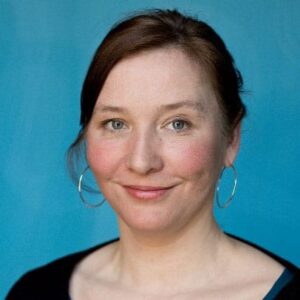
Kaja Borchgrevink is a Senior Researcher at PRIO and she takes an interest in religion and development, the politics of aid, and everyday religion among Muslims in Norway – often with a focus on gender and transnational perspectives. Borchgrevink has a background from Development Studies and practical development work in South Asia, and she has studied religious education in Afghanistan and Pakistan, and the transnational connections between religious seminaries (madrasas) in the two countries. Earlier research also includes studies of the relationship between civil society and peace building in Afghanistan with a focus on religious groups and networks.
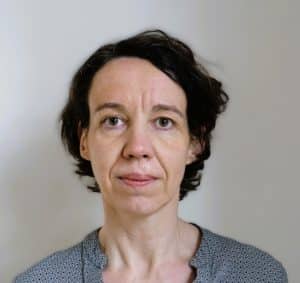
Katja Mielke is a political sociologist and Senior Researcher at Germany’s bicc – Bonn International Centre for Conflict Studies where she is currently leading a project on Transregional Processes of (Dis)Entanglements in Afghanistan: Local Perspectives on the BRI. Her research examines the political at the intersection of conflict, migration, and development with a topical focus on state–society relations, local governance, frontier- and resource politics, and a regional focus on South, Central and West Asia. Between 2022 and 2025, she served as a permanent expert member of the German Bundestag’s Enquete Commission “Lessons from Afghanistan for Germany’s Future Networked Engagement.”
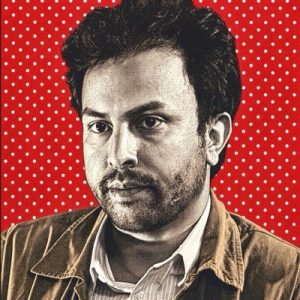
Kawoon Khamoosh is an Afghan journalist, documentary filmmaker, and producer who serves as a Senior Broadcast Journalist for the BBC World Service. Based primarily out of London, his work focuses heavily on conflict reporting, and deep-dive investigations into the evolving social and political landscape of Afghanistan.
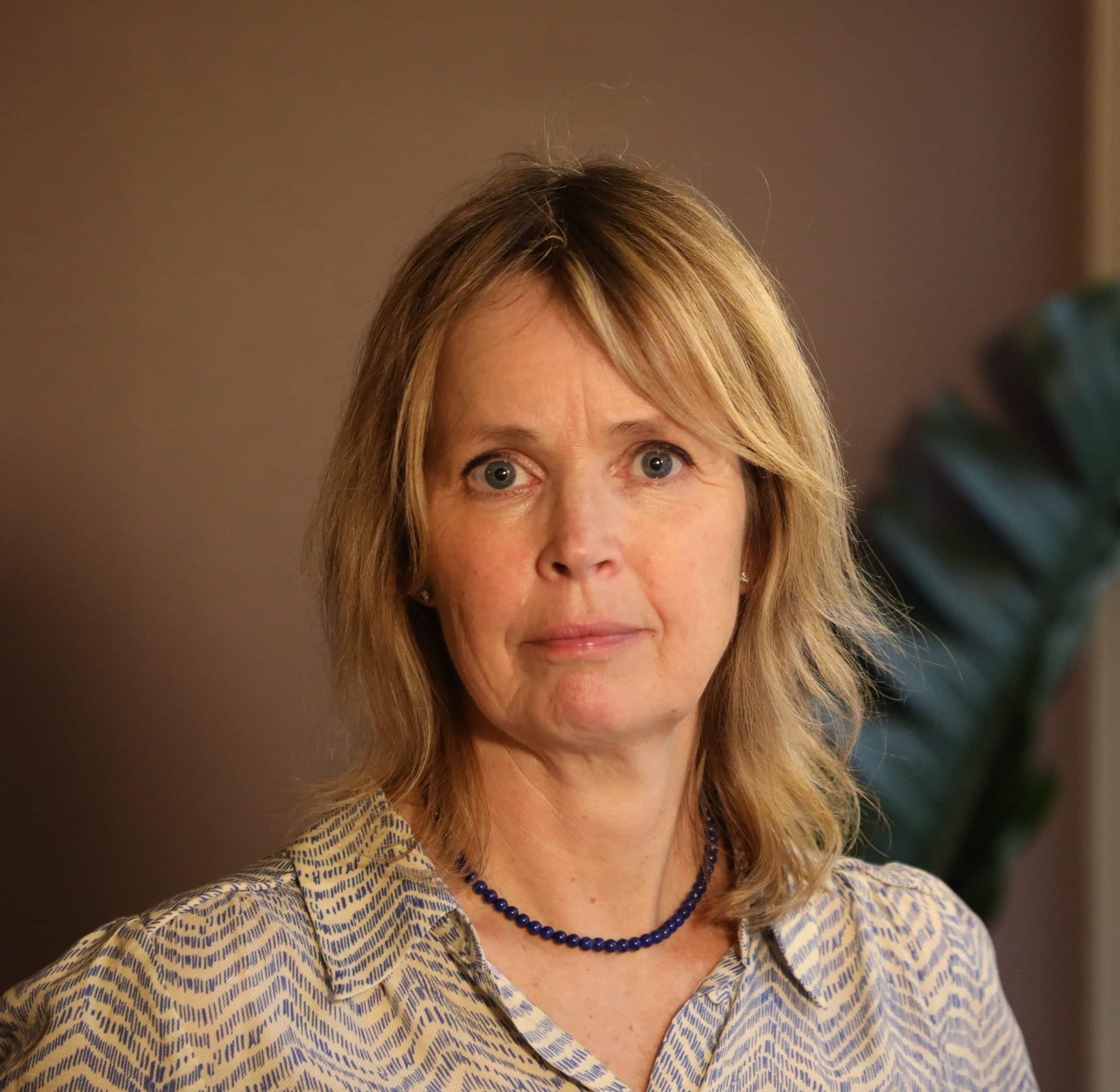
Liv Kjølseth is a political scientist, with a postgraduate degree from the University of Oslo, with a specialisation in International Relations. For the past 20 years, she has held the position of Secretary General of the Norwegian Afghanistan Committee (NAC). Prior to joining NAC, she was Information and Advocacy Adviser for the Norwegian Council for the Rights of the Kurdish People. She has previously worked for the Norwegian Directorate for Immigration (UDI).
Mirwais Wardak is a development worker and researcher with almost 25 years of experience working with aid community in Afghanistan. He has worked on projects related to human security, community development, peacebuilding and conflict resolution and civil society development with a number of Afghan NGOs. He is currently working as a freelance consultant. He has received his MA from Post- War Recovery Unit, The University of York (2005).
Mustafa Himmati is the Head of Knowledge Management at the Norwegian Afghanistan Committee (NAC), based in Oslo, with over a decade of experience in Afghanistan. His work at NAC has focused on project reviews, evaluations, and research across various sectors. Notably, in the education sector, he contributed to key review initiatives, including the Afghanistan Education Joint-Sector Reviews and the Vulnerability to Corruption Assessment of the Ministry of Education between 2016 and 2019. More recently, he contributed to the NAC’s Faryab School Study (2025), commissioned by the Norwegian Commission on Afghanistan, which assessed the status of schools in Faryab that were financed by Norwegian development assistance between 2006 and 2021. He holds postgraduate degrees on Education from University of Bristol, UK and Indonesia University of Education (UPI), Bandung, Indonesia.
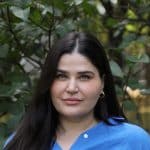
Nasrin Naimy is a Senior Political Adviser at the Norwegian Afghanistan Committee, responsible for political advocacy and strategic communication directed at Norwegian authorities, the Storting and the media. She regularly takes part in the public debate on Norwegian Afghanistan policy. Nasrin is a political scientist with a bachelor’s degree from Oxford Brookes University and a master’s degree in democracy building from the University of Bergen. She has over ten years of experience in political advocacy and communication from civil society, the private sector and politics, including from Frivillighet Norge, Biogass Norge and Samfunnsbedriftene.

Norunn Grande is a political scientist and special advisor at the Nansen Center for Peace and Dialogue (NCPD). She develops training courses and materials, including handbooks and reports, facilitates dialogue, holds lectures and provides training in Norway and internationally. Norunn Grande has for many years provided trainings and professional support in dialogue and conflict transformation in Afghanistan. She has also worked with diaspora communities in Norway. Norunn Grande is a deputy member of the Norwegian Afghanistan Committee’s (NAC) board.
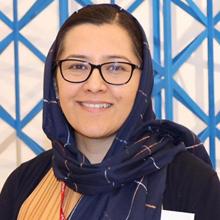
Orzala Nemat is an Afghan scholar and civil society activist. Dr. Nemat holds PhD in Development studies from School of Oriental and African Studies (SOAS), MSc from University College London (UCL) and has been a Yale World Fellow class of 2008. As an expert in political ethnography, her research interests include development and conflict, gender, governance and borderlands studies. Her PhD thesis in Development Studies focused on local governance relations that results from external interventions. Dr. Nemat was born, lived and worked in Afghanistan (and for fourteen years in Pakistan as refugee), she experienced different aspect of life in varying environments. Following completion of her doctoral studies and two years of teaching at SOAS (UK), Nemat moved back to her home country, serving briefly as the Afghan president’s advisor on local governance and then leading Afghan Think Tank Afghanistan Research & Evaluation Unit (AREU).
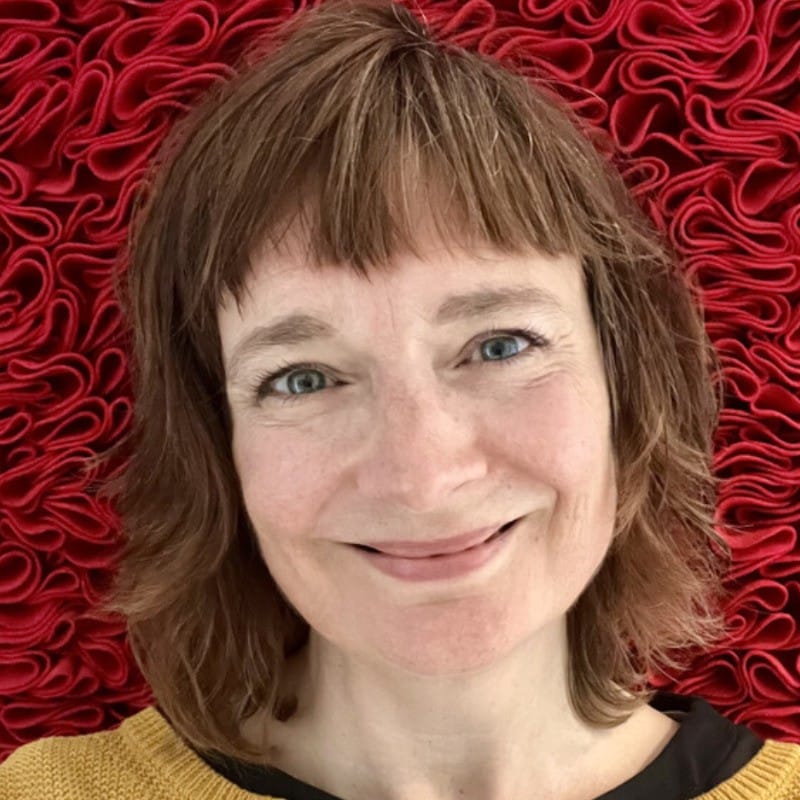
Rachel Reid is a human rights expert, artist and activist, who writes regularly for the Afghanistan Analysts Network. She has led war crimes investigations, including for the Clooney Justice Foundation, as well as consulting for the UN, ICC, IDLO, the Malala Fund and Front Line Defenders. Rachel spent 8 years at the Open Society Foundation, most recently as the regional advocacy director for the MENA region. She also spent three years based in Kabul with Human Rights Watch, having first moved to Afghanistan as a senior journalist for the BBC, where she worked for 13 years. Rachel has an M.A. in Art and Politics from Goldsmiths, University of London, UK, and a B.A. in Politics, Philosophy and Economics from Oxford University, UK.
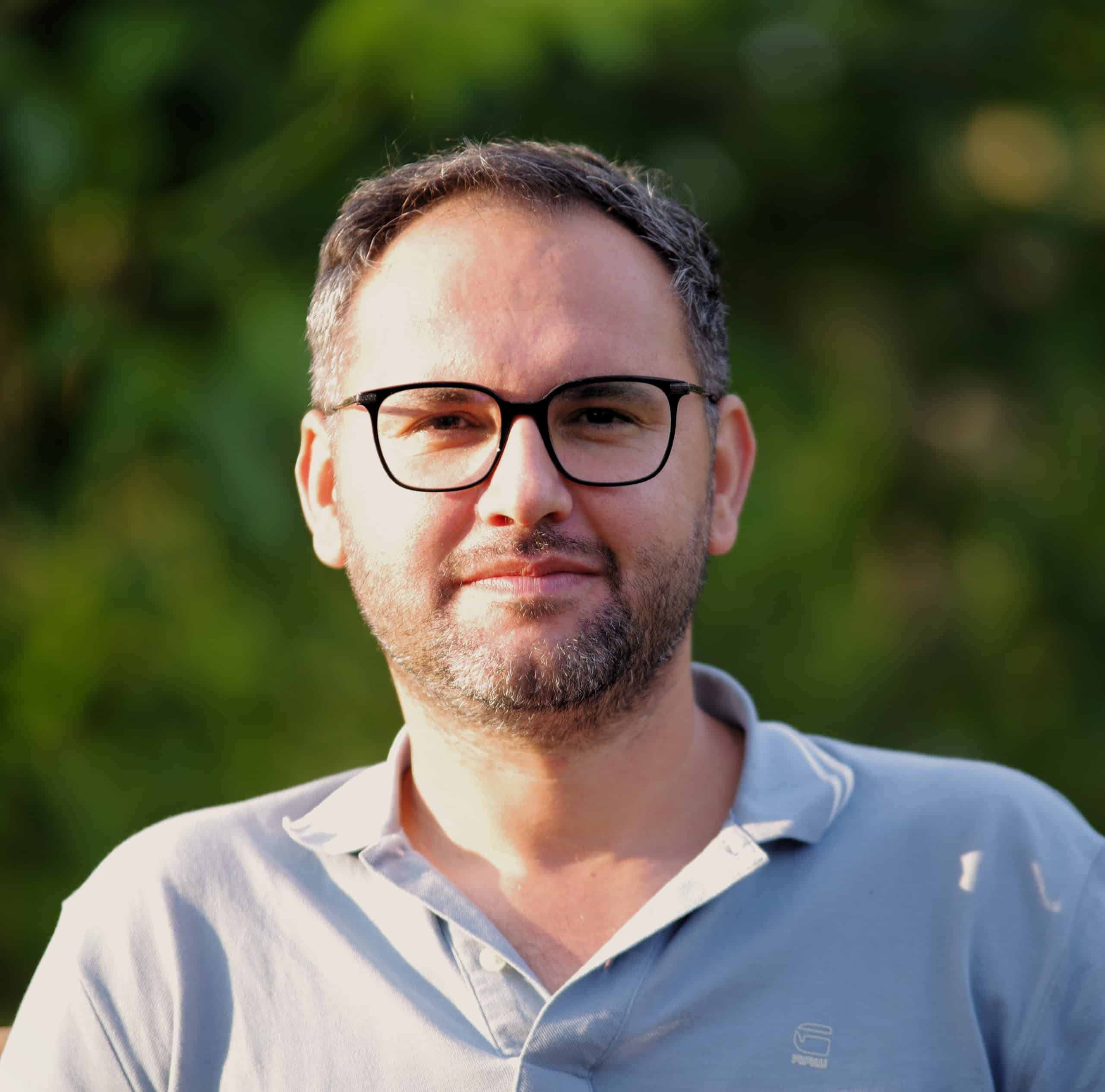
Sayed Hussain Anosh is an Afghan human rights defender and the Executive Lead and a founding member of HRD+, an Afghan-led network advocating for human rights, justice and accountability in Afghanistan. He has worked on human rights, civil society and protection of human rights defenders since 2012, including as Executive Director of the Civil Society and Human Rights Network (CSHRN). Anosh has extensive experience in human rights documentation, advocacy and engagement with the United Nations and international human rights mechanisms. He currently works from exile to amplify the voices of Afghan human rights defenders and communities inside Afghanistan.
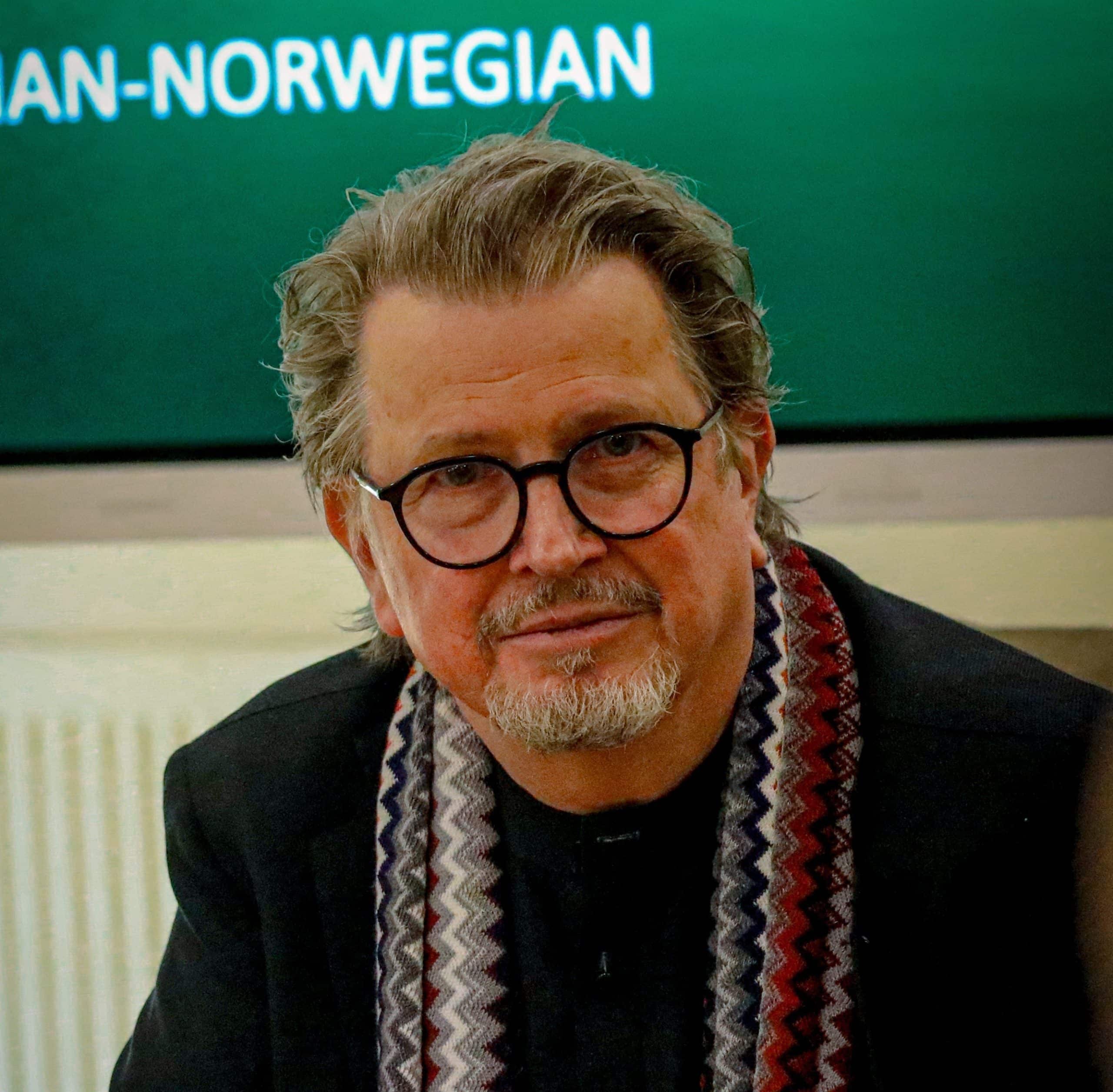
Terje Magnussønn Watterdal is an economist, and an education and disability rights activist. He is currently based in Kabul as the Country Director for the Norwegian Afghanistan Committee (NAC). He has previously worked as education advisor for governments in the Middle East and Southeast Asia, and senior expert for different UN agencies in Afghanistan and elsewhere in Asia. He holds postgraduate degrees from University of Mannheim, Germany and University of St. Gallen, Switzerland.

Torunn Wimpelmann is a Postdoctoral Researcher at Chr. Michelsen Institute (CMI) where she is currently researching the relationships between law, religion and Afghan gender politics and activism. She is the author of, The Pitfalls of Protection: Gender, Violence and Power in Afghanistan (University of California Press, 2017). Between 2014 and 2016 she served as an member of the government-appointed Commission of Inquiry into Norway’s engagement in Afghanistan. She is currently a member of the expert group to the inquiry on Denmarks engagement in Afghanistan.
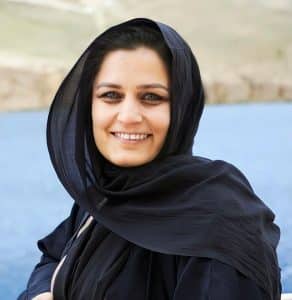
Zuhra Bahman is a feminist peacebuilder and a social entrepreneur with more than 20 years of experience advancing peace, gender equality, and civil society in Afghanistan and internationally. She currently serves as Country Director for Search for Common Ground Afghanistan, where she leads one of the organisation’s largest country programmes, working with a nationwide network of civil society organisations and local partners to strengthen social cohesion, inclusive governance, and locally led peacebuilding. Throughout her career, Zuhra has held leadership and advisory roles with Search for Common Ground, UN Women, the International Development Law Organization (IDLO), the British Red Cross, ECPAT UK, the Government of Afghanistan, and numerous Afghan civil society organisations. Her work has focused on peace processes, women’s rights, conflict-sensitive programming, and strengthening civil society in some of the world’s most complex operating environments. She has also lectured at universities in Afghanistan, the United Kingdom, and Canada and has written independently on various aspects of peace building. Zuhra is the founder of She Makes Afghanistan, a social enterprise that connects Afghan women artisans and producers with international markets. Zuhra holds a BA in Anthropology and Law from the London School of Economics and Political Science, an MA in Conflict, Security and Development from King’s College London, and an MRes in Anthropology from University College London.
Do you cover travel or accommodation costs for participants?
We only cover costs for speakers/panelists taking part in the panels. If you are attending as a general participant and are not part of a panel, you will need to cover your own travel and accommodation costs.
Can I/my organisation participate in a panel?
We reach out directly to those who are relevant for our panels.
+47 216 55 080
organisasjon@nacaf.org
Rådhusgata 4, 0151 Oslo

© 2026 Afghanistankomiteen. Developed and designed by  RESPONSIV MEDIA


